Mon-Fri: 8:30a.m.-5:30p.m. | Sat: 9a.m.-12p.m. | Sun. & Major Holidays: Closed

Patient Resources
Get Healthy!
Popular Joint Pain Supplement Might Increase Alzheimer's Risk, Study Says
- June 11, 2026
- Dennis Thompson HealthDay Reporter
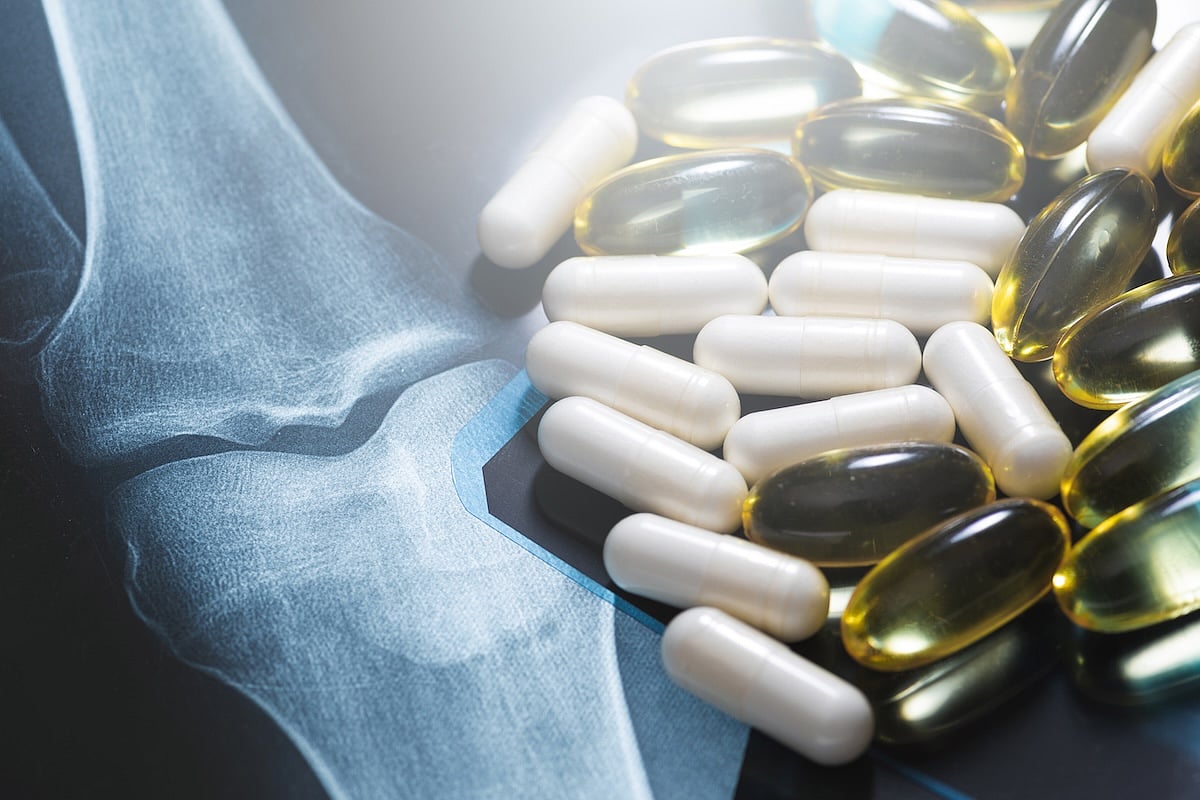
A popular over-the-counter supplement taken for joint pain might increase people’s risk for Alzheimer’s disease, a new study says.
Glucosamine use is associated with a 25% higher odds that a person will progress from mild cognitive impairment to dementia and Alzheimer’s disease, researchers reported June 9 in the journal Nature Metabolism.
“While it’s an association and not proof of causality, it does raise an important clinical question that now deserves much more attention,” researcher Matt Gentry said in a news release. He’s chair of biochemistry and molecular biology at the University of Florida.
Glucosamine is a natural compound found in healthy cartilage, which is the connective tissue that cushions joints, according to the Arthritis Foundation.
Glucosamine supplements are thought to reduce knee inflammation and protect cells that maintain cartilage structure, the Arthritis Foundation says.
But glucosamine can cross the blood-brain barrier, researchers noted, and so might have an impact on brain health.
For the new study, researchers used AI to comb through the University of Florida’s health care system from 2012 to 2024 for people diagnosed with Alzheimer’s, dementia or mild cognitive impairment.
They found that nearly 1 in 10 patients (8%) with declining brain function were taking glucosamine supplements.
Results showed that those taking glucosamine were 25% more likely to progress from mild cognitive impairment to full-blown dementia.
Alzheimer’s and dementia patients taking glucosamine also had a 25% higher risk of death, researchers found.
Glucosamine is a sugar-related molecule, and because of this it might contribute to pathways in which sugar influences the health of brain cells, researchers said.
“Proteins are the cell’s molecular machines, and many of them need sugar tags added in just the right way to fold correctly, travel to the right place and do their jobs,” Gentry said.
“What we found in Alzheimer’s is that this sugar-tagging system appears to be overactive,” Gentry said. “The Alzheimer’s brain is adding too many of these sugar structures, and this seems to contribute to the disease rather than protect against it.”
As a result, this process could be causing the toxic protein deposits found in Alzheimer’s-affected brains, including amyloid plaques and tau tangles, researchers said.
In genetically modified mice, researchers showed that glucosamine significantly increased the attachment of sugar residues to proteins in cells.
These mice developed memory deficits when given glucosamine, researchers found. Further, memory improved when researchers suppressed this “sugar-tagging” process in these mice.
Researchers also found significantly increased sugar attachment in human Alzheimer’s brain specimens maintained by the UF Neuromedicine Brain and Tissue Bank.
“Our results suggest that altered metabolism is a significant contributor to Alzheimer’s progression and, in addition, addressing the metabolic defect could be an important complement to approaches focused on Alzheimer’s plaques and tangles,” said senior researcher Ramon Sun, director of the Center for Advanced Spatial Biomolecule Research at the University of Florida.
“In the United States, there are about 7 million people living with Alzheimer’s and millions more with related dementias such as Lewy body or frontotemporal dementia,” Sun said in a news release. “A lot of these people actively take an over-the-counter supplement that could be making their disease progression worse.”
More information
The Arthritis Foundation has more on glucosamine.
SOURCES: University of Florida, news release, June 9, 2026; Nature Metabolism, June 9, 2026
